Electrical accidents don’t always make headlines—but they kill. Every year, workers are injured or worse during routine maintenance simply because a circuit wasn’t properly isolated. The solution? A circuit breaker lockout tagout (LOTO) kit. These aren't just boxes of plastic locks and tags—they’re frontline defenses in industrial and commercial settings where electricity flows through every operation.
When a technician opens a panel without confirming the circuit is de-energized, lives are on the line. That’s where lockout tagout kits come in: they enforce a standardized process to isolate energy sources, prevent accidental re-energization, and make safety visible to everyone nearby.
This guide breaks down what these kits do, why they matter, and how to choose and use them effectively—without overcomplicating compliance or falling into common safety traps.
Why Circuit Breaker Lockout Tagout Kits Are Non-Negotiable
Lockout tagout isn’t just a best practice—it’s a legal requirement under OSHA standard 29 CFR 1910.147. This regulation mandates that employers implement a formal energy control program whenever servicing machinery or electrical systems. Circuit breakers, as primary disconnect points, are high-risk targets for unintended activation.
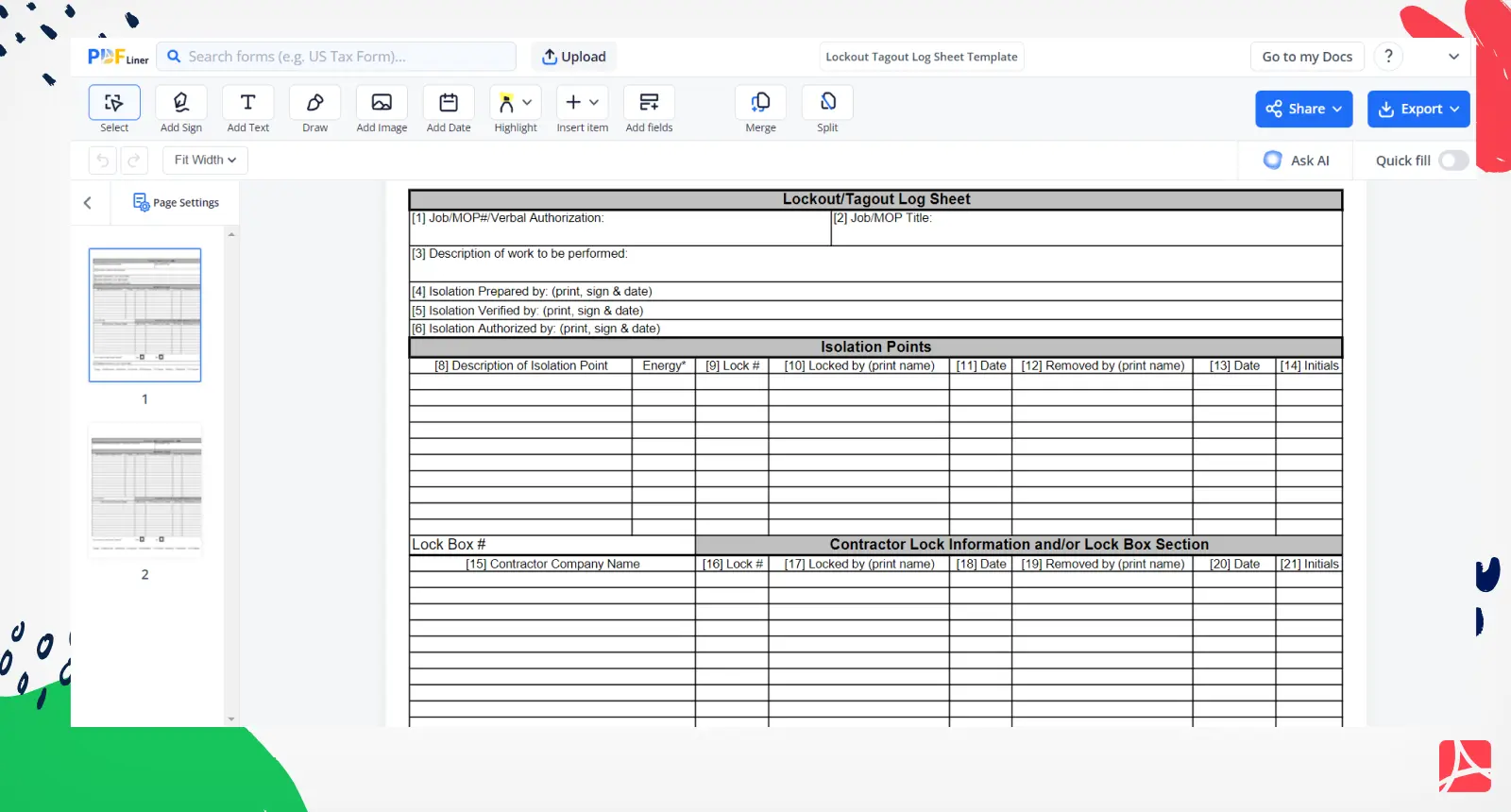
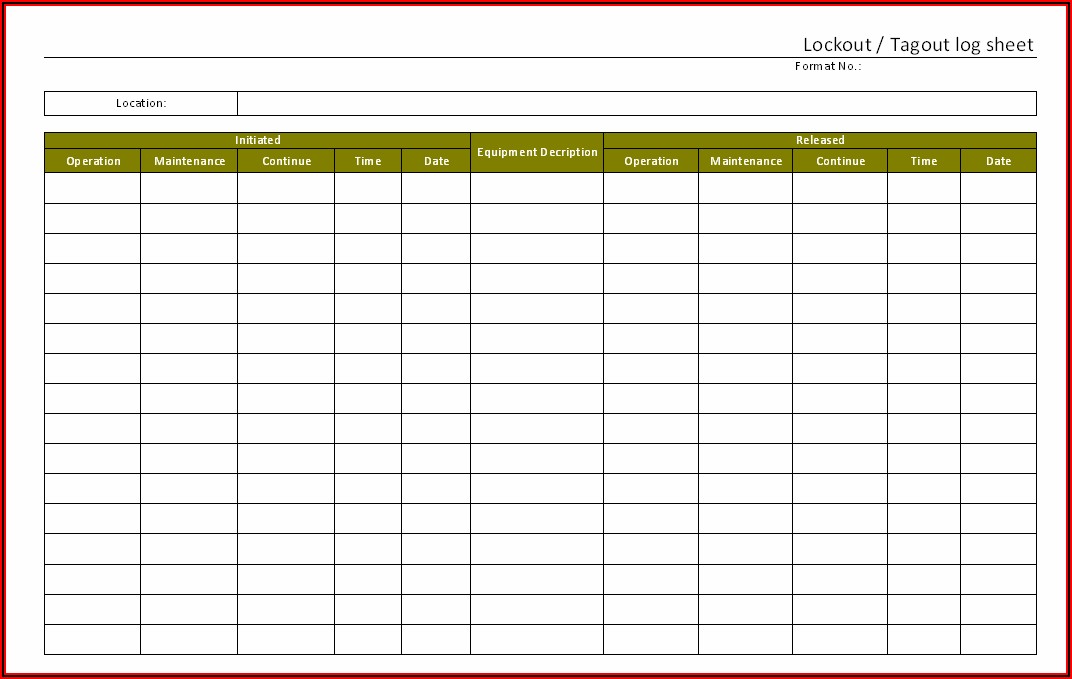
A well-equipped LOTO kit ensures that only authorized personnel can restore power. It does more than secure a switch—it creates accountability. Each lock corresponds to a specific worker, and each tag explains why the circuit is down, who locked it, and when work began. This transparency stops shortcuts and protects everyone on site.
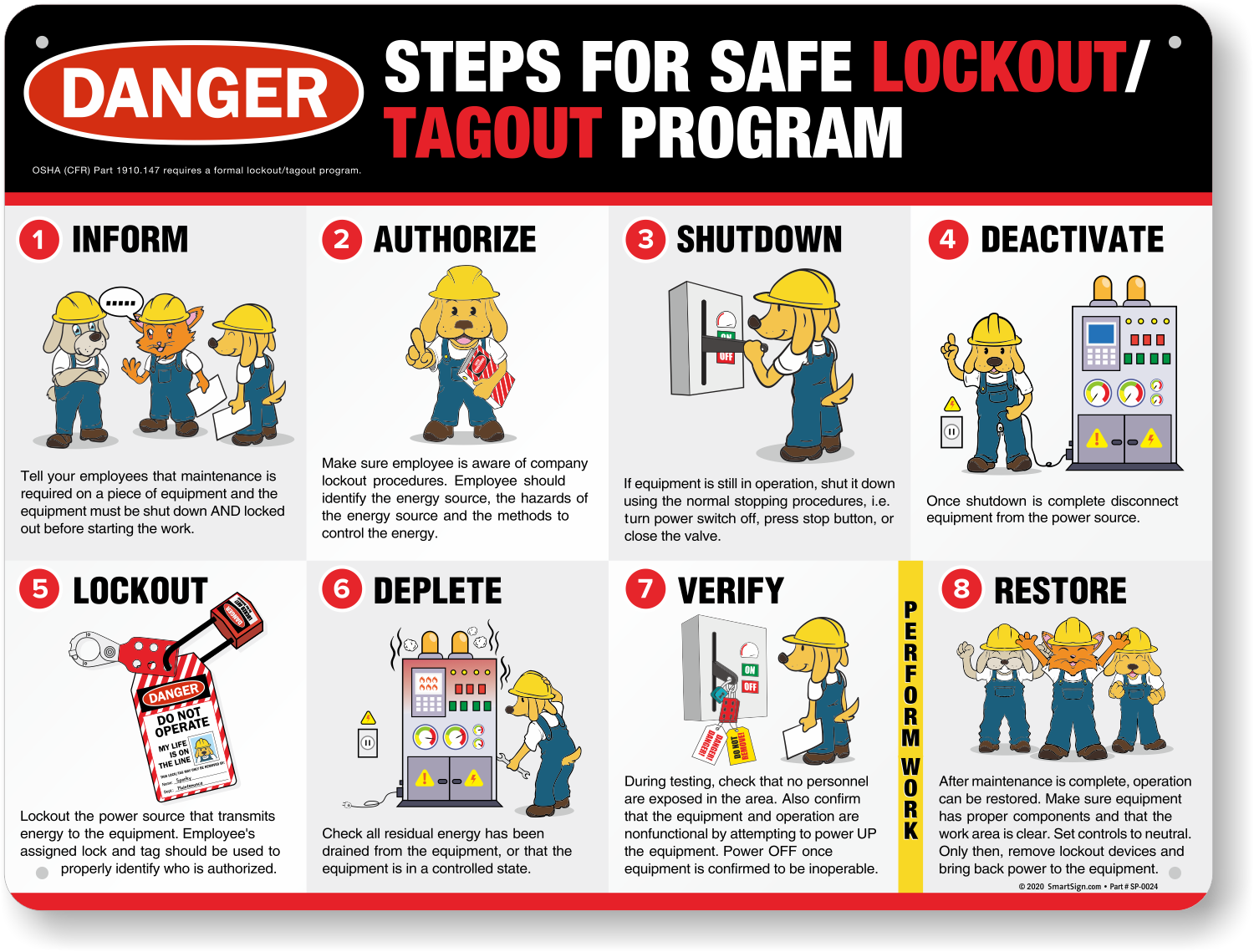
Consider a real-world scenario: an HVAC technician servicing a rooftop unit. The system is off, but someone resets the breaker from the ground-level panel while the worker is still exposed. Without a physical lock and clear tag, that mistake could be fatal. A circuit breaker LOTO kit eliminates that risk by making re-energization impossible without deliberate, verified action.
Core Components of a Complete LOTO Kit
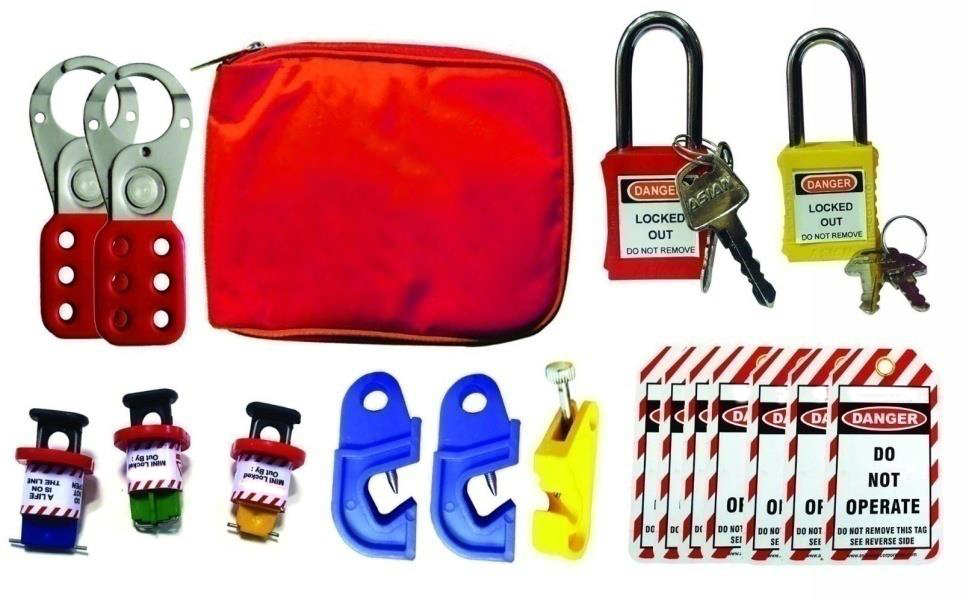
Not all kits are created equal. A basic pouch with two locks won’t cut it for most industrial environments. A full-featured circuit breaker lockout tagout kit includes multiple tools designed to fit various breaker types and enforce procedural rigor.
Here’s what a professional-grade kit should contain:
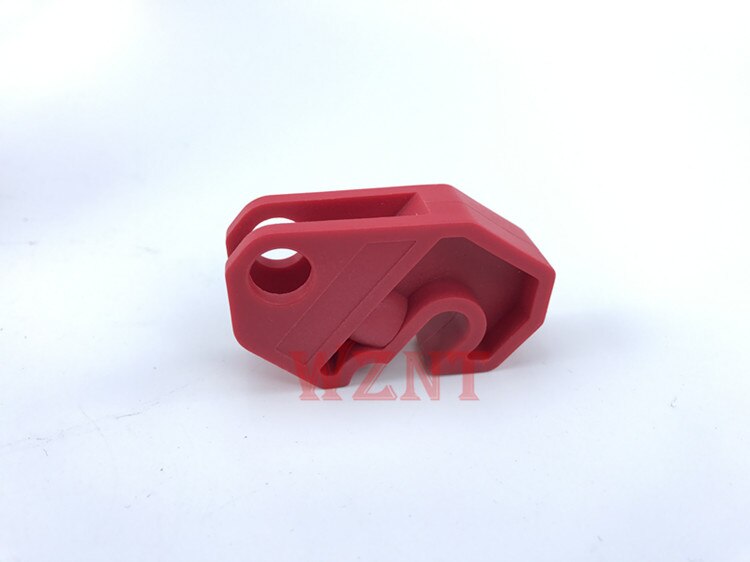
- Circuit breaker lockouts – Devices that clamp over the breaker switch, preventing it from being flipped.
- Padlocks – One per technician, ideally keyed differently or using a master key system.
- Warning tags – Durable, tamper-resistant tags with space for name, date, department, and hazard details.
- Tagout hasps – Multi-lock adapters allowing several workers to lock out a single energy source.
- Lockout stations or bags – Portable containers to store and organize all components.
- Breaker-specific adapters – For miniature, tandem, or specialty breakers that standard locks don’t fit.
- Safety signage – Labels for panels and doors indicating active lockouts.
The best kits are modular. They allow customization based on facility size, breaker types, and number of authorized employees. For example, a manufacturing plant with 20 electricians needs a centralized lockout station with 25+ padlocks and spare tags, while a small commercial building may only require a compact field kit.
Common Mistakes That Undermine LOTO Effectiveness
Even with kits on hand, organizations fail when procedures aren’t enforced or understood. These recurring errors sabotage safety:
1. Using the wrong lockout device Generic cable locks or makeshift clamps don’t provide positive retention on breakers. They can slip off or be easily bypassed. Always use UL-listed breaker lockouts designed for the exact model.
2. Tag-only procedures Tags alone aren’t enough. Without a physical lock, anyone can remove the tag and flip the switch. OSHA requires both lock and tag unless the lock is infeasible—which is rare with modern kits.
3. Shared or master locks When multiple people use the same lock, accountability vanishes. Each worker must apply their own lock. If a worker leaves before finishing, the lock stays until they return or a formal override procedure is followed.
4. Incomplete energy isolation Some systems have secondary power sources like capacitors or backup generators. A full LOTO procedure must account for all energy types—not just the main breaker.
5. Poor training or documentation Employees need hands-on training, not just a manual. Regular drills and documented procedures ensure everyone knows how—and why—to use the kit correctly.
Avoiding these mistakes starts with treating LOTO as a culture, not a compliance checkbox.
How to Choose the Right Kit for Your Facility
Selecting a circuit breaker lockout tagout kit isn’t about price—it’s about fit. A mismatched kit leads to workarounds, and workarounds lead to risk. Evaluate these factors:
- Breaker types in use – Are they standard 120V residential-style, 3-phase industrial, or tandem mini-breakers? Match lockouts to your panel inventory.
- Number of authorized personnel – Kits should support all technicians who might service equipment simultaneously.
- Environment – Outdoor or high-moisture areas require weather-resistant tags and corrosion-proof locks.
- Compliance needs – Ensure the kit meets ANSI Z244.1 and OSHA 1910.147 requirements.
- Portability vs. centralization – Mobile teams need compact, durable bags. Fixed facilities benefit from wall-mounted lockout stations.
Also consider scalability. A kit that works today may fall short as your operation grows. Modular systems let you add locks, tags, and lockout devices as needed.
Top 5 Circuit Breaker Lockout Tagout Kits in 2024
| Brand | Key Features | Best For |
|---|---|---|
| Grace Industries G300CBK | 10 breaker lockouts, 10 steel padlocks, 10 tags, heavy-duty bag | Mid-sized industrial teams |
| Seton 60044-5PK | Universal fit lockouts, vinyl tag kit, durable pouch | Facilities with mixed breaker types |
| Johnson Controls LOTO-CB10 | Compact design, includes hasp and dual locks | HVAC and electrical contractors |
| Safetronics SK-10CB | Modular system, ANSI-compliant tags, expandable | Large facilities with multiple teams |
| UEi Test Instruments LOTO-KIT1 | Budget-friendly, includes voltage tester | Small businesses prioritizing basics |
Each of these kits balances usability, durability, and compliance. The Grace and Safetronics models stand out for scalability, while the UEi kit adds value with integrated testing tools—critical for verifying zero energy before work begins.
Note: Never skip voltage testing. A lockout prevents re-energizing, but residual charge or backfeed can still pose danger. The best kits either include or are paired with reliable testers.
Real-World Use Cases and Workflow Tips

Case 1: Manufacturing Plant Maintenance A production line stops for motor replacement. The electrician uses a group lockout: each team member applies their lock to a hasp on the main disconnect. No one can restart the line until all locks are removed—ensuring everyone is clear before power returns.
Workflow tip: Use color-coded locks by department. Maintenance uses red, operations uses blue. This instantly shows who’s involved and prevents unauthorized removal.
Case 2: Commercial Building Lighting Upgrade An electrician upgrades ballasts on the third floor. They lock out the breaker at the sub-panel, tag it with their name and task, and carry the key until work is done. The tag warns others not to interfere—even if the lights are off and seem inactive.
Workflow tip: Store kits near electrical rooms. If the LOTO bag is locked in an office, workers are more likely to skip steps.
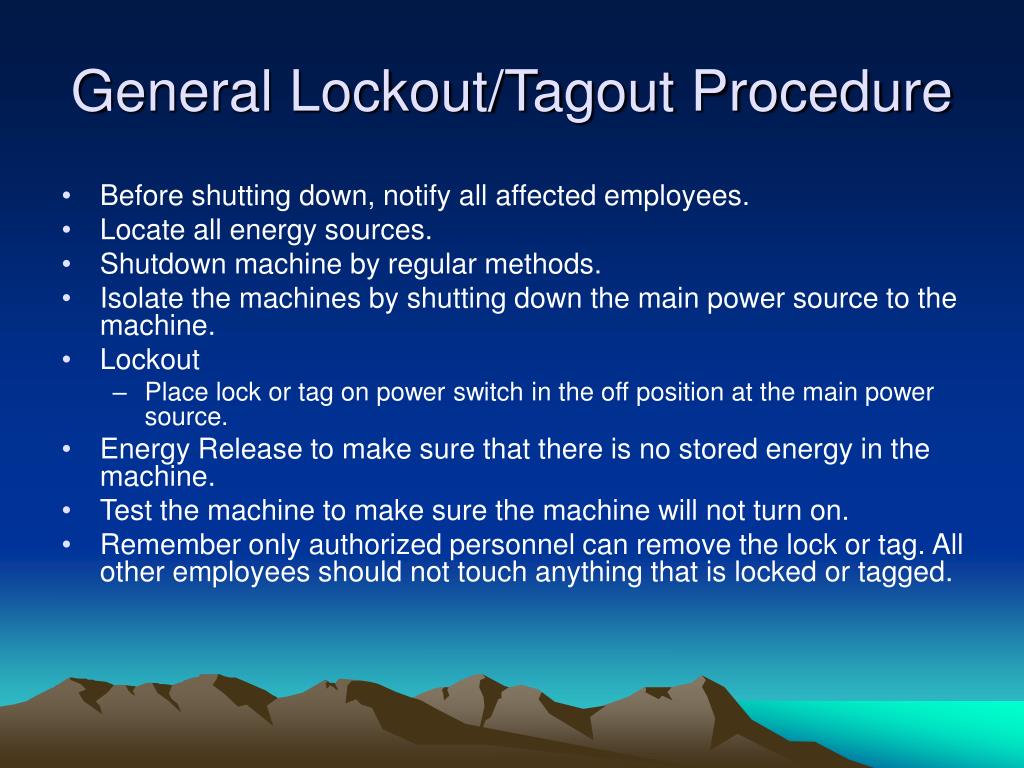
Case 3: Emergency Repair After Failure After a short circuit, a technician must inspect a damaged panel. They follow a strict sequence: shut off power, test for voltage, apply lock and tag, and begin diagnostics. The visible tag prevents others from assuming the panel is ready for use.
Workflow tip: Conduct a pre-shift LOTO audit. Check that all locks are accounted for and tags are legible. Missing or damaged items should be replaced immediately.
Building a Sustainable LOTO Program
A kit is only a tool. Real safety comes from a system that includes training, auditing, and continuous improvement.
Start by mapping every circuit that requires lockout. Document the procedure for each—how to de-energize, verify, lock, and restore. Train all authorized employees, then retrain annually or after incidents.
Perform random audits. Watch how technicians use the kits. Are they skipping verification? Using damaged tags? These observations inform updates to training and equipment.
Finally, make reporting easy. If a worker finds a broken lock or missing tag, they should be able to replace it immediately—no forms, no delays. A responsive system builds trust and ensures readiness.
Equip your team with the right circuit breaker lockout tagout kit, enforce disciplined procedures, and never assume safety is "good enough." In electrical work, the margin for error is zero. Choose quality components, train rigorously, and make lockout tagout a non-negotiable habit—not a box to check.
Frequently Asked Questions
What is a circuit breaker lockout tagout kit? It’s a collection of devices used to physically secure electrical breakers in the off position and tag them during maintenance to prevent accidental re-energization.
Do I need both a lock and a tag? Yes. OSHA requires both. A lock prevents activation, while a tag communicates why the circuit is locked and who is responsible.
Can one lockout device fit all breakers? No. Breakers vary in size and design. Use lockouts specifically rated for your breaker type—universal fits may not provide secure attachment.
How many locks should a LOTO kit have? At least one per authorized employee. Larger facilities may need 10–30 locks to support group lockout procedures.
Are vinyl tags durable enough? High-quality vinyl tags with UV resistance and tear-proof lamination last years, even in harsh environments.
Can LOTO kits be customized? Yes. Many suppliers offer modular kits that let you add locks, tags, and specialty devices as needed.
Is training required for LOTO? Absolutely. OSHA mandates initial and annual retraining for all authorized employees involved in lockout procedures.
FAQ
What should you look for in Circuit Breaker Lockout Tagout Kits: Your Safety Guide? Focus on relevance, practical value, and how well the solution matches real user intent.
Is Circuit Breaker Lockout Tagout Kits: Your Safety Guide suitable for beginners? That depends on the workflow, but a clear step-by-step approach usually makes it easier to start.
How do you compare options around Circuit Breaker Lockout Tagout Kits: Your Safety Guide? Compare features, trust signals, limitations, pricing, and ease of implementation.
What mistakes should you avoid? Avoid generic choices, weak validation, and decisions based only on marketing claims.
What is the next best step? Shortlist the most relevant options, validate them quickly, and refine from real-world results.