Every year, preventable machinery accidents occur because equipment was not properly de-energized before maintenance. The solution? A clear, accessible lockout tagout procedures PDF that workers can follow without guesswork. These documents aren’t just paperwork—they’re frontline defenses against electrocution, crushing injuries, and fatalities.
A well-designed LOTO procedures PDF standardizes how energy sources are isolated, verified, and secured. It turns regulatory requirements into actionable steps, reducing human error and ensuring consistency across shifts and teams. Yet, many organizations either skip creating these documents or rely on generic templates that don’t reflect real site conditions.
This guide cuts through the confusion. You’ll learn how to build or select a LOTO procedures PDF that actually works in the field—compliant, practical, and effective.
Why a Lockout Tagout Procedures PDF Matters
A lockout tagout procedures PDF isn’t just for OSHA audits. It’s a living document used daily by maintenance technicians, safety officers, and supervisors. When done right, it eliminates ambiguity during high-risk tasks.
Consider this scenario: A technician is repairing a conveyor system. Without a step-by-step LOTO PDF, they might miss isolating a secondary hydraulic line. That oversight could lead to sudden movement, causing severe injury.
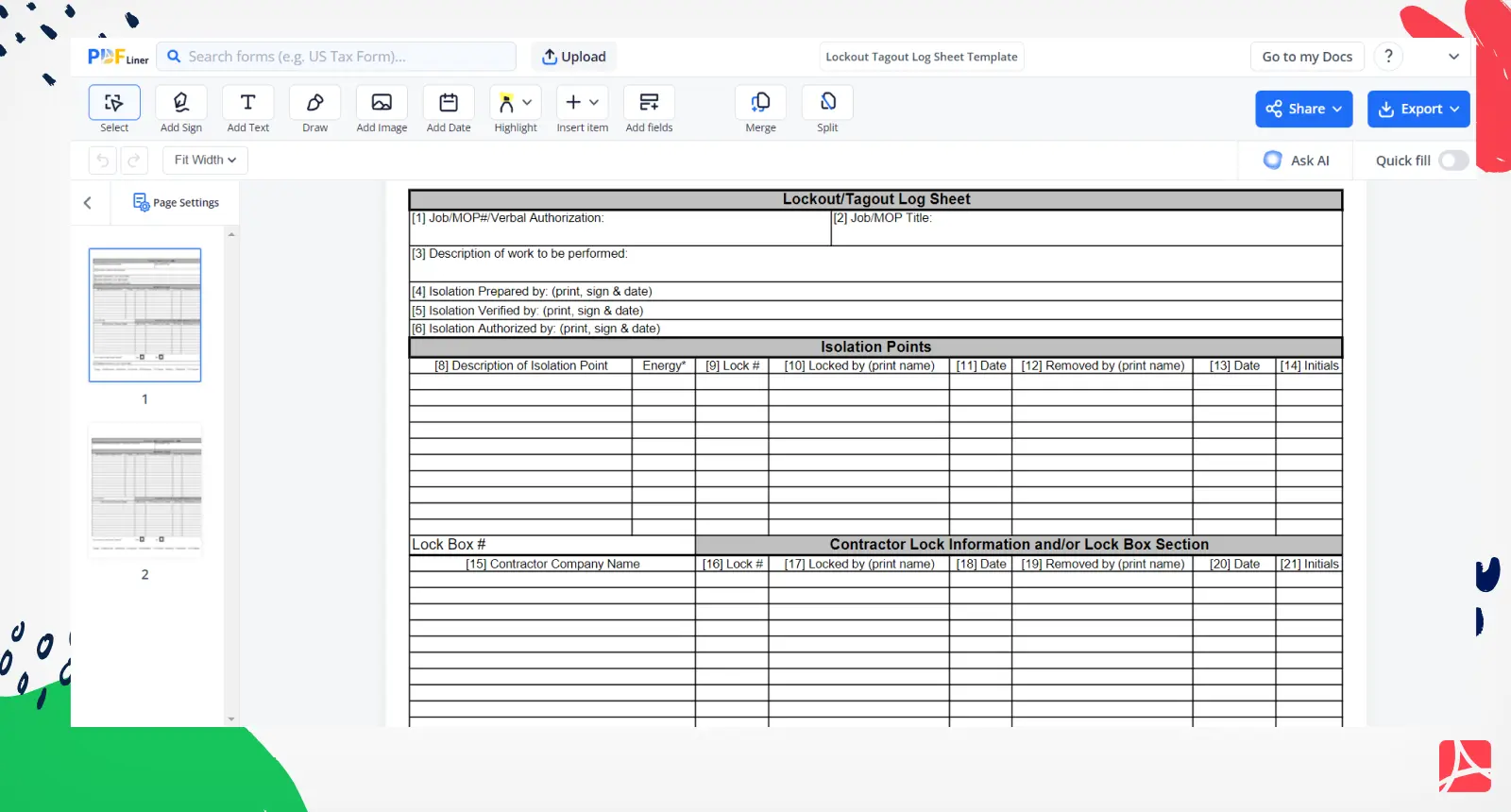
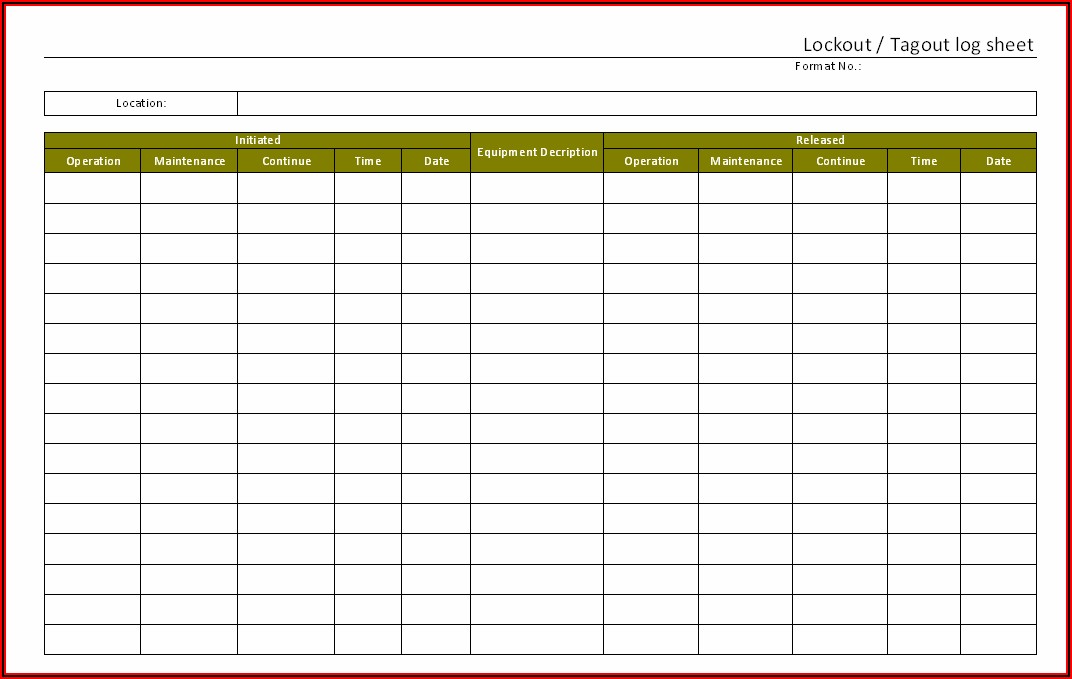
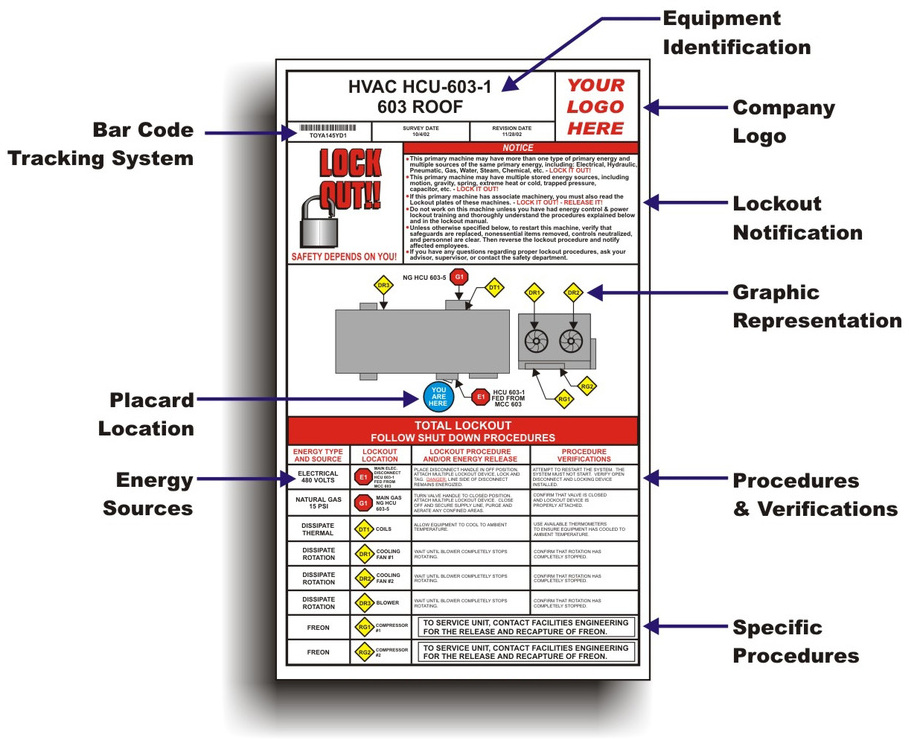
The PDF serves as both training material and operational checklist. It should include: - Equipment identification - Energy sources (electrical, pneumatic, hydraulic, thermal, etc.) - Sequence of shutdown and isolation - Specific lock and tag placement points - Verification of zero energy - Authorized personnel list
Without a standardized PDF, companies risk inconsistent execution—even if employees are trained. The document bridges the gap between policy and practice.
What OSHA Requires in a LOTO Procedures PDF
OSHA 29 CFR 1910.147 sets the baseline for energy control programs. While it doesn’t mandate that procedures be in PDF format, digital accessibility makes compliance easier. What matters is content.
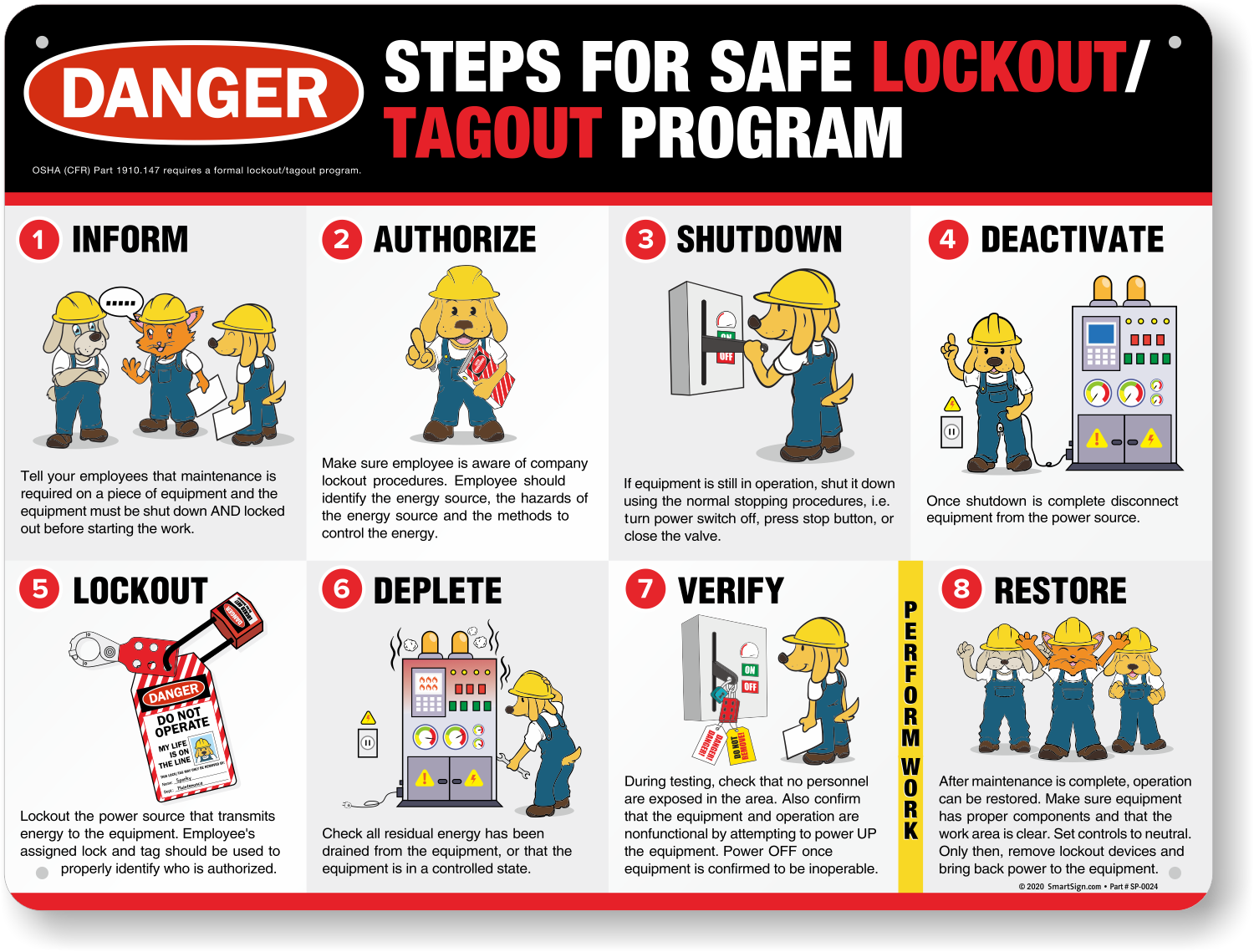
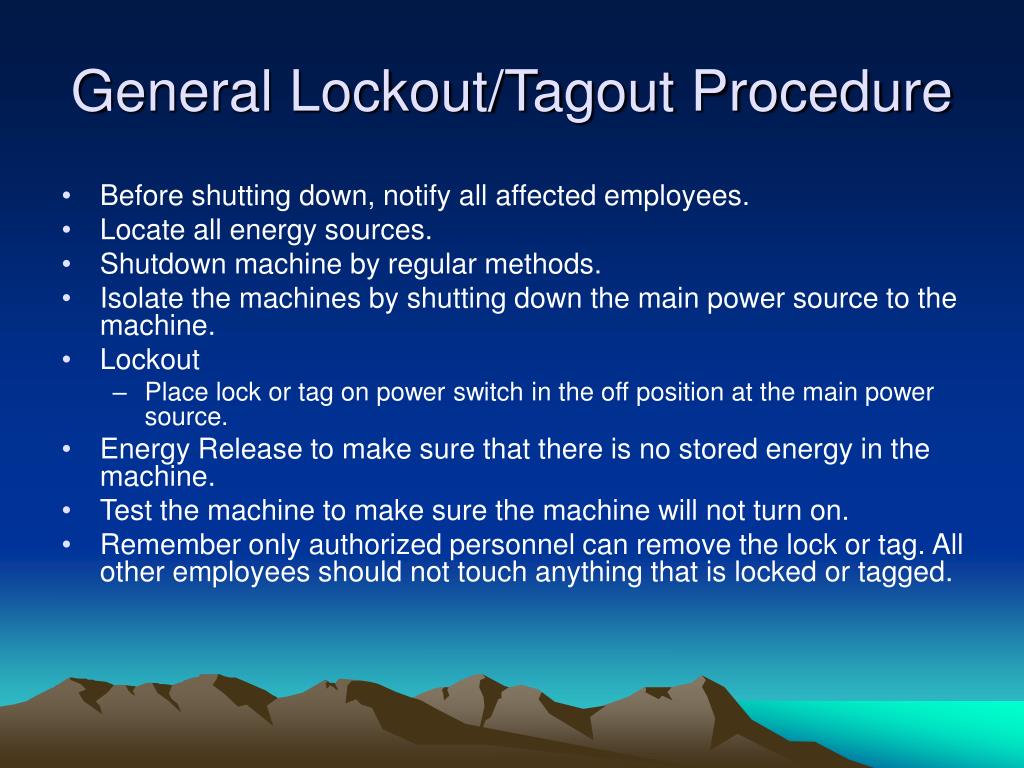
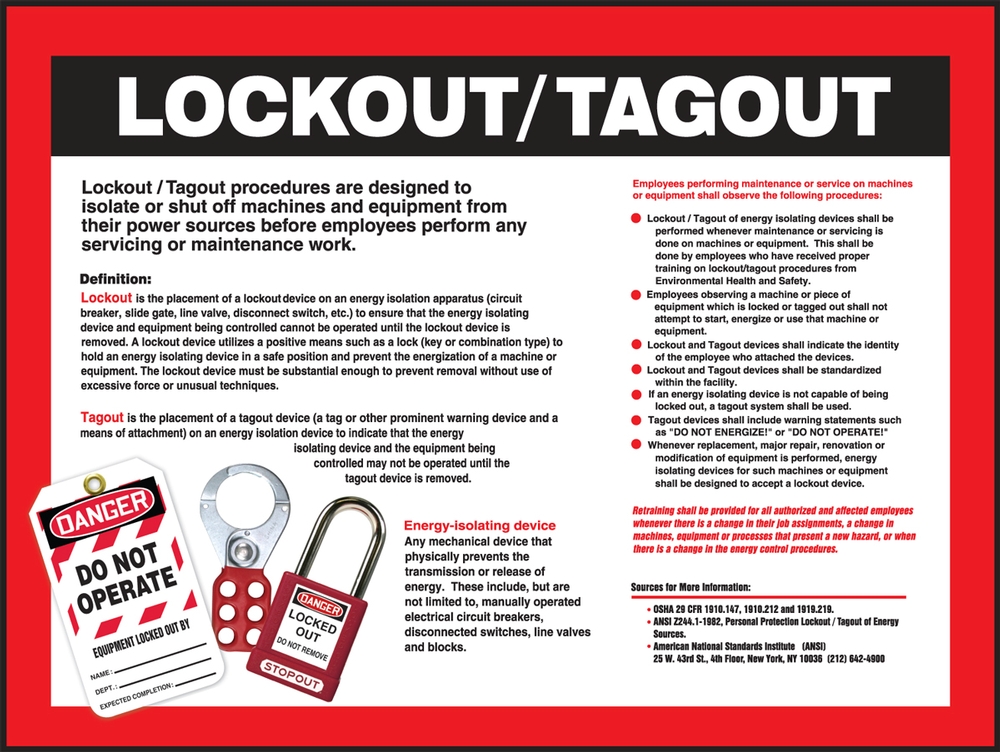
Your LOTO procedures PDF must include: - A clear procedure for shutting down, isolating, blocking, and securing machines - Detailed steps for applying and removing locks and tags - Specific identification of who performs the lockout (authorized employees only) - Methods to verify that energy has been isolated
A common mistake? Copying boilerplate from online sources without tailoring it to specific machinery. OSHA doesn’t accept generic procedures. Each piece of equipment with multiple or complex energy sources needs its own documented process.
For example, a CNC machine with electrical, pneumatic, and mechanical energy inputs requires a different LOTO procedure than a simple air compressor. Your PDF must reflect that specificity.
Key Components of an Effective LOTO Procedures PDF
A high-impact LOTO procedures PDF isn’t just text—it’s a visual and operational toolkit. The best versions combine text, diagrams, and checklists to guide users through each step.
1. Equipment Identification Start with a unique identifier: machine name, ID number, and location. This avoids confusion in facilities with similar equipment.
2. Energy Sources Inventory List every potential energy source. Example:
- 480V electrical supply
- Compressed air line (120 psi)
- Stored hydraulic pressure in accumulator
3. Step-by-Step Shutdown Sequence Not all shutdowns are linear. Sequence matters. Example:
- Stop machine via control panel
- Open disconnect switch
- Close pneumatic shutoff valve
- Drain hydraulic lines
- Apply lockout devices at each point
4. Lock and Tag Placement Specify exact locations: “Apply padlock to main electrical disconnect at Panel B3.” Include photos or diagrams if possible.
5. Verification of Isolation Mandate testing: “Use a voltage tester to confirm zero energy at point of contact.” This is non-negotiable.
6. Release and Restart Protocol Detail how to safely remove locks, re-energize, and return equipment to service—only after all tools are removed and personnel are clear.
Common Mistakes in LOTO Procedures PDFs
Even compliant-seeming documents can fail in practice. Here are real-world pitfalls:
1. Using vague language Phrases like “shut off power” are useless. Instead: “Open circuit breaker CB-7 in Main Electrical Room and verify off position.”
2. Omitting stored energy release Many accidents happen when residual energy (e.g., a pressurized line) is overlooked. The PDF must include steps to safely dissipate that energy.
3. Ignoring group lockout scenarios When multiple workers service one machine, the PDF should outline a group LOTO process, including a primary authorized employee and use of a hasp.
4. Failing to update after equipment changes A modified machine may have new energy points. The LOTO PDF must be revised—and re-approved.
5. Making it too long or complex A 10-page PDF will be ignored. Aim for clarity and brevity. Use bullet points, bold headers, and visuals.
How to Create Your Own LOTO Procedures PDF
Creating a custom LOTO procedures PDF isn’t complicated—but it requires collaboration.
Step 1: Conduct an Equipment Audit Walk through your facility. Document every machine with potential hazardous energy. Note energy types and isolation points.
Step 2: Involve Maintenance and Safety Teams Technicians know where traps exist. Their input ensures procedures reflect real-world conditions.
Step 3: Draft
with a Template Use a structured format. Example:
Machine: Industrial Punch Press – Model XYZ-200 Location: Production Floor, Zone C Energy Sources: - 3-phase 208V electrical - 80 psi compressed air - Mechanical spring tension > Steps: 1. Press emergency stop button. 2. Rotate main disconnect switch to OFF. 3. Close air shutoff valve at supply line. Bleed pressure via test port. 4. Apply personal lock to disconnect and air valve. 5. Test for zero energy: confirm no voltage with meter, no air flow. 6. Verify spring is disengaged via release lever.
Step 4: Add Visuals Include a labeled diagram showing lock placement. A photo with annotations works even better.
Step 5: Review and Approve Have safety managers and lead technicians sign off. Store the final version as a PDF with version control (e.g., “LOTO-PP-2025-v2.pdf”).
Step 6: Distribute and Train Ensure every authorized employee has access—on a tablet, workstation, or printed copy. Reinforce with hands-on drills.
Top 5 LOTO Procedures PDF Templates (Free & Paid)
Not starting from scratch? These proven templates save time while ensuring compliance.
| Name | Source | Format | Key Features | Cost |
|---|---|---|---|---|
| OSHA-Compliant LOTO Template | SafetySoft | PDF + Editable | Fillable fields, equipment-specific, includes verification section | Free trial, $99/license |
| Lockout/Tagout Procedure Generator | Grainger | Step-by-step builder, integrates with inventory | Free | |
| LOTOPro Template Pack | Creative Safety Supply | PDF + Word | Includes group LOTO, machine-specific examples | $49 |
| ISO-Aligned LOTO PDF | EcoVadis Safety Hub | Multilingual, audit-ready, risk assessment section | Free download | |
| Custom LOTO Builder | Safetec | PDF + Cloud | Real-time updates, mobile access, digital signatures | $199/year |
Choose based on your facility size and complexity. Small shops may prefer free templates. Larger plants benefit from cloud-based systems with version tracking.
Integrating LOTO PDFs into Daily Operations
A PDF that sits on a server is useless. It must be part of the workflow.
Digital Access Points
- Store on shared drives with clear folder structure:
/Safety/LOTO_Procedures/Machines/ - Use QR codes on equipment—scanning pulls up the correct PDF on a phone or tablet
- Load onto maintenance tablets used by technicians
Training Reinforcement During onboarding, walk new hires through the actual LOTO PDF for their most-used machines. Ask them to recite key steps.
Audit Readiness During internal audits, pull up the PDF and observe a mock lockout. Does the document match what workers do? If not, revise immediately.
The Bottom Line: A LOTO Procedures PDF Is Non-Negotiable
You can’t rely on memory or verbal instructions when lives are on the line. A precise, well-maintained lockout tagout procedures PDF is your most reliable tool for preventing accidents.
It transforms compliance from a box-ticking exercise into a culture of safety. It protects workers, reduces downtime from incidents, and proves due diligence during inspections.
Don’t use generic templates. Don’t skip the diagrams. Don’t assume one procedure fits all machines.
Create, update, and enforce LOTO procedures PDFs that reflect your real environment—because when the power’s off, clarity saves lives.
FAQ
What should a lockout tagout procedures PDF include? It must detail equipment ID, energy sources, shutdown sequence, lock/tag placement, verification steps, and restart protocol—tailored to each machine.
Can a LOTO procedure be in digital format? Yes. PDFs are widely accepted as long as they’re accessible to authorized employees during maintenance.
Who writes the LOTO procedures PDF? Safety managers typically lead, but input from maintenance technicians is critical for accuracy.
How often should LOTO PDFs be reviewed? Annually, or immediately after equipment changes, incidents, or failed audits.
Are there free LOTO procedures PDF templates? Yes—suppliers like Grainger and Creative Safety Supply offer free, customizable templates.
Do all machines need a separate LOTO PDF? Yes, if they have unique energy sources or shutdown steps. Identical machines may share a procedure.
Can employees modify the LOTO PDF themselves? No. Only authorized safety personnel can revise and reissue procedures after review.
FAQ
What should you look for in Lockout Tagout Procedures PDF Guide for Workplace Safety? Focus on relevance, practical value, and how well the solution matches real user intent.
Is Lockout Tagout Procedures PDF Guide for Workplace Safety suitable for beginners? That depends on the workflow, but a clear step-by-step approach usually makes it easier to start.
How do you compare options around Lockout Tagout Procedures PDF Guide for Workplace Safety? Compare features, trust signals, limitations, pricing, and ease of implementation.
What mistakes should you avoid? Avoid generic choices, weak validation, and decisions based only on marketing claims.
What is the next best step? Shortlist the most relevant options, validate them quickly, and refine from real-world results.