In 2023, a maintenance technician in a Midwest manufacturing plant suffered severe burns when a conveyor system unexpectedly powered on during servicing. The tragedy was preventable. The lockout tagout (LOTO) procedure had been bypassed for “efficiency.” This isn’t an isolated case—hundreds of serious injuries and fatalities each year stem from improper or skipped equipment lockout tagout procedures. The real cost isn’t just in regulatory fines; it’s in lives altered and trust eroded.
Lockout tagout procedures are not bureaucratic red tape. They are the frontline defense against uncontrolled release of hazardous energy. Whether it’s mechanical, electrical, hydraulic, pneumatic, chemical, or thermal, any energy source can turn a routine maintenance task into a catastrophe. This guide cuts through the noise to deliver actionable, real-world LOTO protocols that work—backed by compliance standards, field-tested workflows, and safety leadership insight.
What Are Equipment Lockout Tagout Procedures?
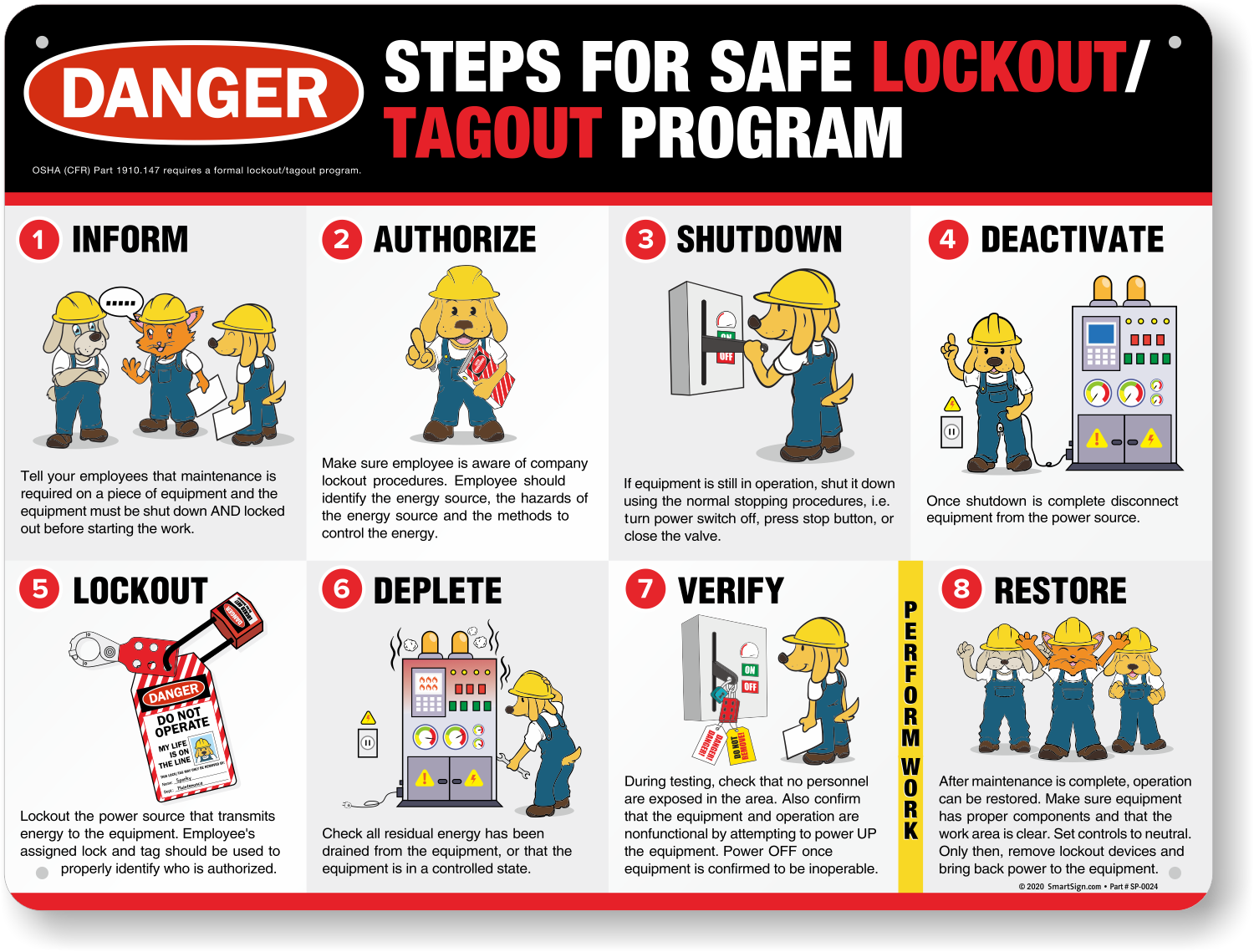
Equipment lockout tagout procedures are systematic safety protocols designed to isolate energy sources from machinery before maintenance, repair, or cleaning. At its core, LOTO ensures that equipment cannot be accidentally started up while workers are exposed to moving parts or energized components.
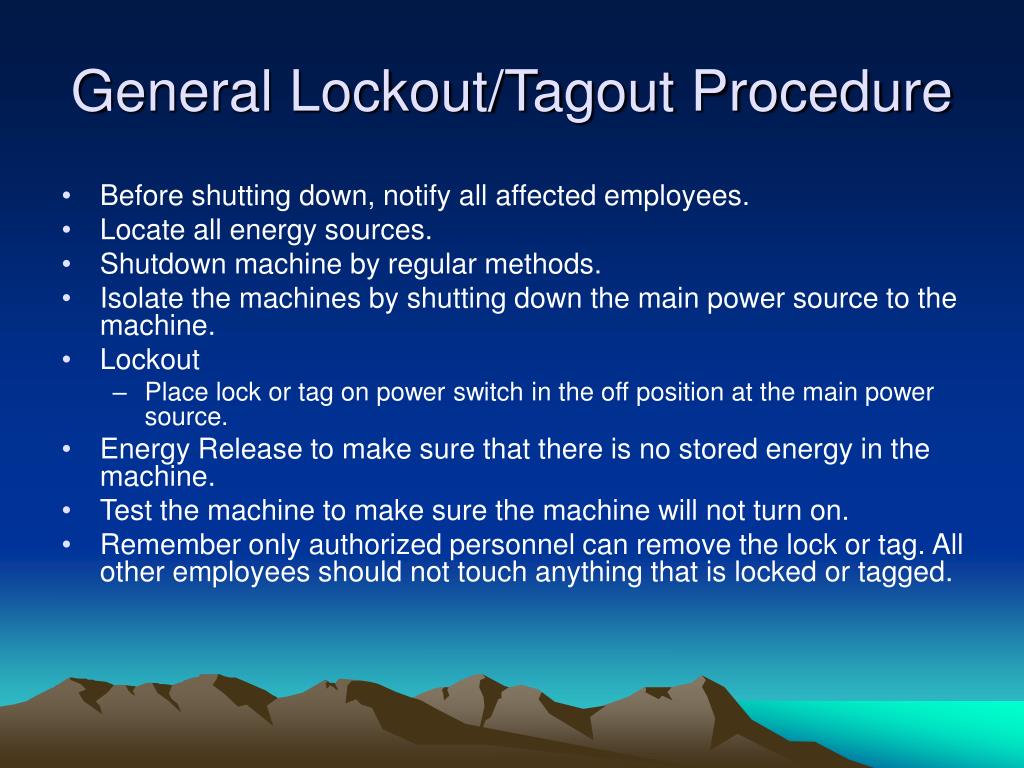
A full LOTO procedure includes:
- Identification of all energy sources
- Proper shutdown of equipment
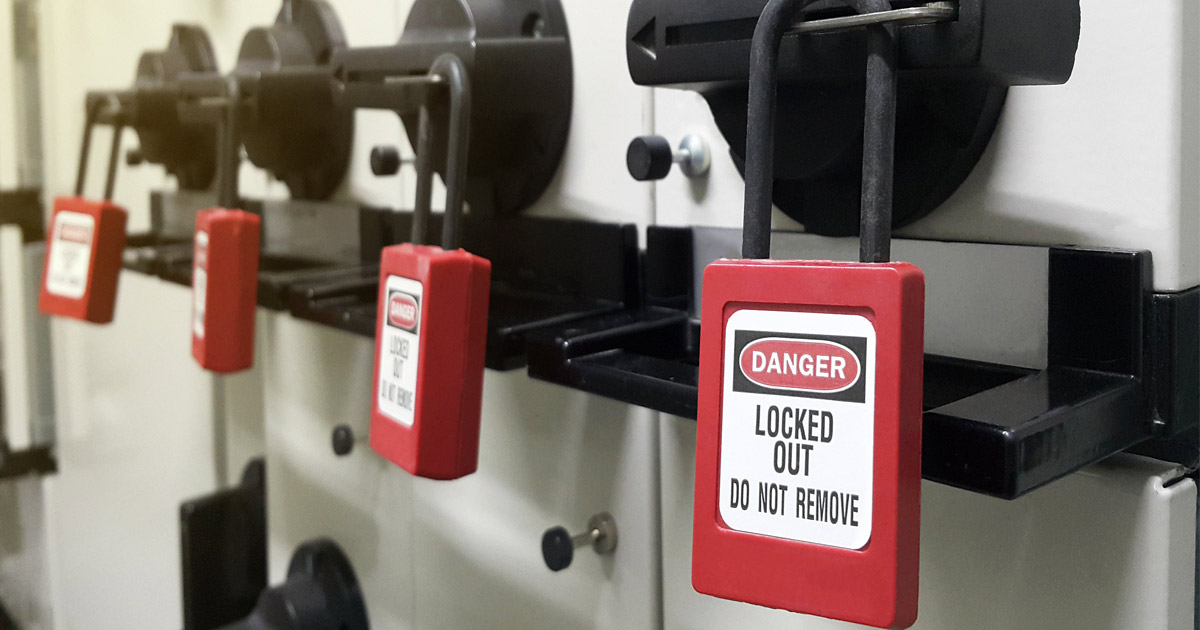
- Isolation using lockable devices (locks)
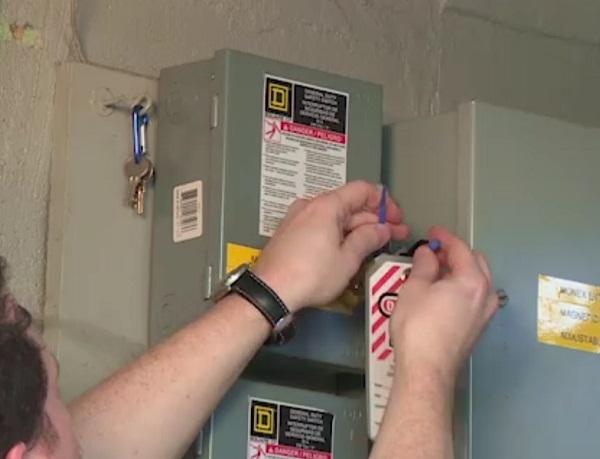
- Application of warning tags (tags)
- Verification of zero energy state
- Safe re-energization after work completion
These steps aren’t optional. They’re mandated by OSHA under standard 29 CFR 1910.147, which applies to general industry. Failure to implement proper procedures can result in penalties up to $156,259 per violation—and more importantly, irreversible harm.
Common Misconception: Many teams assume that turning off a machine is enough. But residual energy—like pressurized air in a line or stored electrical charge in a capacitor—can still activate systems. True safety requires complete isolation.
Why Standardized Procedures Matter
No two pieces of equipment are identical. A hydraulic press demands different handling than a chemical pump or a robotic arm. That’s why generic LOTO checklists fail. Effective procedures must be equipment-specific.
Consider a food processing facility where a slicer jams frequently. Operators begin clearing jams without formal lockout, believing the machine “only runs for seconds.” But if the auto-restart function engages mid-clearance, the outcome is devastating.
Standardizing LOTO procedures prevents this drift toward complacency. Key benefits include:
- Consistent application across shifts and teams
- Reduced risk of human error
- Clear accountability through documented steps
- Faster training for new hires
- Audit readiness for OSHA inspections
Facilities with robust, documented LOTO systems report up to 60% fewer recordable incidents related to servicing operations.
Building an Effective LOTO Procedure: Step-by-Step
Creating a procedure isn’t about filling out a form—it’s about engineering safety into routine operations. Follow this field-tested workflow:
#### 1. Conduct an Energy Source Audit
Walk through each machine. Identify every energy input: - Electrical disconnects - Hydraulic/pneumatic valves - Steam or gas lines - Gravity-driven components (e.g., raised platforms)
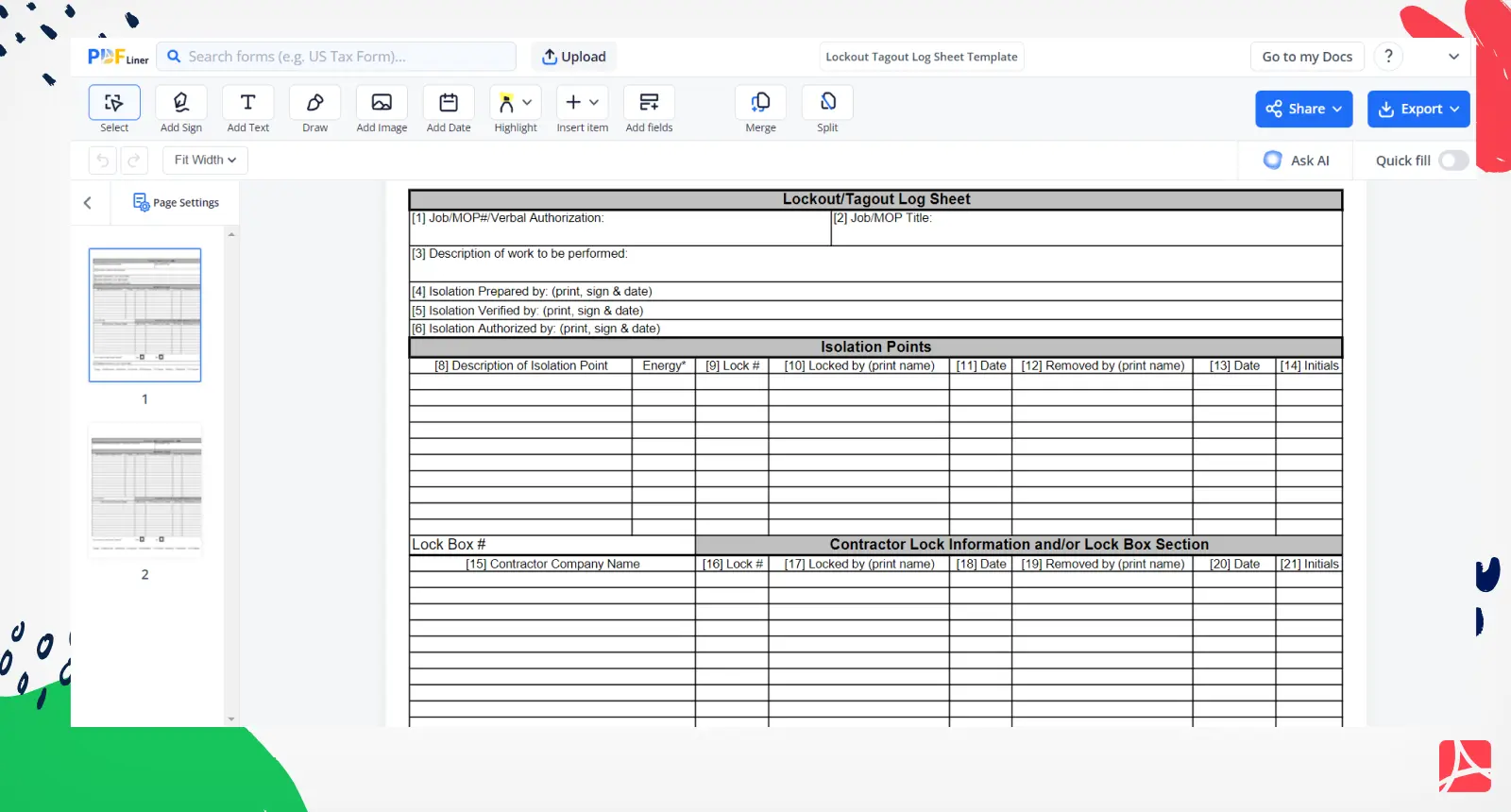
Document these with diagrams or photos. Use colored tags during the audit to mark isolation points.
#### 2. Develop Machine-Specific Instructions
Avoid one-size-fits-all guides. A CNC lathe requires different steps than a boiler. Each procedure should include:
- Equipment name and ID number
- List of energy sources
- Sequence for shutdown and isolation
- Location and type of lockout devices
- Verification method (e.g., trying to start the machine)
- Authorized personnel list
- Example: For a packaging machine, the LOTO procedure might require:
- Press emergency stop
- Open main power disconnect
- Lock out disconnect with assigned lock
- Close and lock pneumatic supply valve
- Bleed air pressure via test port
- Hang tag stating “Do Not Operate – Maintenance in Progress”
- Test for zero energy by attempting startup
#### 3. Train and Certify Authorized Employees
Only trained, authorized employees may perform LOTO. Training must include: - How to read procedures - Use of lockout devices - Recognizing hazardous energy - Emergency response if accidental startup occurs
Refresher training every 12 months is required. Document all sessions with signed certifications.
#### 4. Implement Group Lockout Protocols
In team maintenance scenarios, use a group lockout box. Each technician applies their personal lock to the energy-isolating device via a hasp. The box holds individual keys—only when all work is done and locks removed can the equipment be re-energized.
This prevents one person from unilaterally restarting a machine.
Common LOTO Failures (And How to Fix Them)
Even experienced teams make mistakes. Here are frequent pitfalls—and practical fixes:
| Failure | Risk | Solution |
|---|---|---|
| Using personal locks as general safety locks | Bypasses accountability | Assign locks only to authorized individuals with unique keys |
| Skipping verification steps | Residual energy remains | Always test-start after isolation |
| Tagout without lockout | Tags can be ignored or removed | Use lockout as primary; tags are secondary warnings |
| Incomplete procedures for complex systems | Missed energy sources | Use flow diagrams and cross-check with maintenance logs |
| Temporary bypasses for “quick fixes” | Normalizes unsafe behavior | Enforce strict no-exception policy |
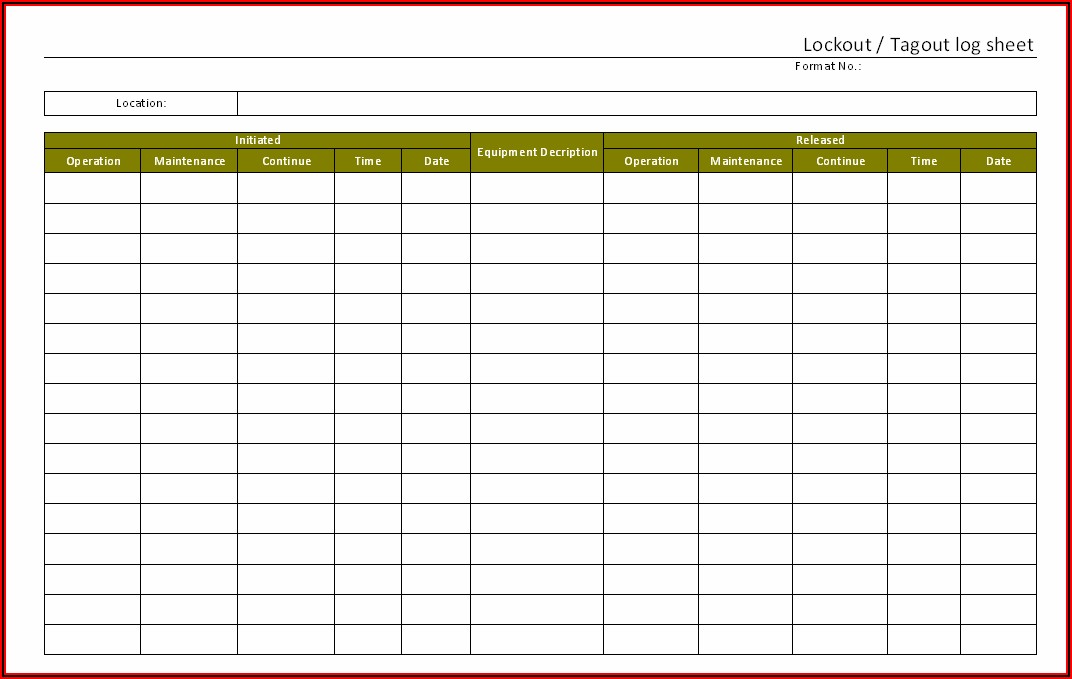
One automotive plant reduced LOTO deviations by 78% simply by adding a verification checklist at each isolation point—visible via laminated cards on machines.
Essential LOTO Devices and Tools
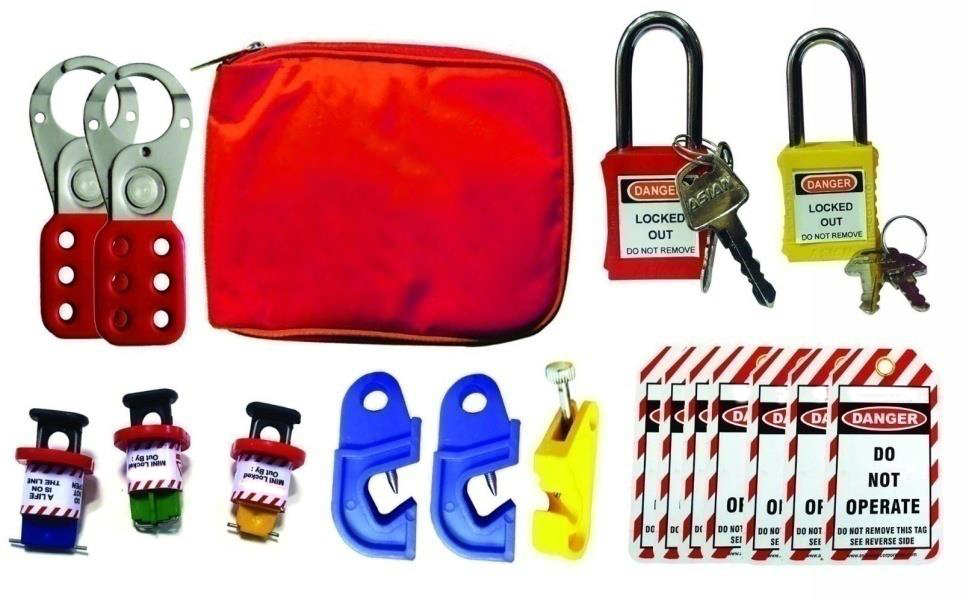
The right hardware makes procedures enforceable. Not all locks or tags are equal. Use only OSHA-compliant, durable equipment designed for industrial use.
Here are five proven LOTO tools widely used in high-risk environments:
- Master Lock 1200DAT Universal Padlock Station
- - Includes 10 safety padlocks, hasps, and tags
- - Color-coded for department or team use
- - Durable vinyl station mounts near machinery
- Grace Industries LOTO Kit – Heavy Duty
- - Complete kit with valve locks, circuit breaker locks, and cable ties
- - Ideal for plants with mixed equipment types
- - Includes English/Spanish tags for multilingual teams
- Seton Non-Conductive Lockout Hasp (3-Inch)
- - Prevents accidental re-energization with multiple lock points
- - UV-resistant plastic body for harsh environments
- - Accommodates up to six workers
- Brady BMP6 Hot Work Permit Station
- - Integrates LOTO with permit-to-work systems
- - Digital tracking option for audit trails
- - Used in refineries and chemical plants
- Safeguard Equipment LOTO Management Software
- - Digital procedure library with mobile access
- - Tracks lock usage, employee training, and audit history
- - Syncs with CMMS systems like SAP or Maximo
Investing in quality tools isn’t an expense—it’s risk mitigation. Facilities using standardized lockout kits report 40% faster procedure execution and fewer compliance gaps.
Integrating LOTO into Daily Operations
Procedures only work if they’re part of the culture. The best programs embed LOTO into routine workflows.
Tip: Use Visual Cues Place color-coded floor markings around isolation points. Use QR codes on machines that link to digital LOTO instructions. One paper mill reduced unauthorized access by 90% after installing lighted “LOCKOUT ACTIVE” signs above control panels.
Tip: Audit with Purpose Monthly audits should go beyond checking boxes. Observe actual behavior. Do technicians verify zero energy? Are locks removed only by the original user? Use findings to refine training—not punish.
Tip: Simplify Access Store LOTO kits near high-risk equipment. A 30-second walk to retrieve a lock tempts shortcuts. Wall-mounted stations with clear inventory reduce delays.
Re-Energization: The Final, Critical Step
Many teams focus on shutdown but neglect re-energization. This final phase is just as dangerous.
- Follow this sequence:
- Confirm all tools removed and guards reinstalled
- Ensure all personnel are clear of the machine
- Remove locks only by the individual who applied them
- Notify operations team before restoring power
- Restart under controlled conditions—observe initial operation
Never allow “lock substitution”—where a supervisor removes a lock because a worker is unavailable. OSHA explicitly prohibits this unless under a formal retrieval process with documented justification.
Conclusion: Make Safety Automatic, Not Optional
Equipment lockout tagout procedures aren’t just compliance checkboxes—they’re the backbone of operational integrity. The most effective programs don’t rely on vigilance alone. They use clear documentation, reliable tools, and behavioral reinforcement to make safety the default path.
Start now: Audit one high-risk machine. Build its LOTO procedure from scratch. Train the team. Test it. Repeat. Small, consistent improvements build a culture where no one has to choose between productivity and safety.
Your next procedure could prevent the next incident. Write it like it matters—because it does.
Frequently Asked Questions
What is the difference between lockout and tagout? Lockout physically prevents energy restoration using a lock on an isolation device. Tagout uses a warning tag alone. OSHA requires lockout wherever possible—tagout is only acceptable if no lock can be used.
Who can perform lockout tagout procedures? Only authorized employees—those trained and certified in energy control procedures—can implement LOTO. Affected employees (operators) are not authorized to perform lockout.
Can you use a combination lock for LOTO? Yes, but only if it meets OSHA durability and security standards. Combination locks must be assigned to one individual, with codes not shared. Many facilities prefer keyed locks to prevent code exposure.
How often should LOTO procedures be reviewed? At least annually. Additionally, review after any incident, near-miss, equipment modification, or change in personnel roles.
What happens if a worker forgets their lock? The lock must only be removed by the original user. If absent, a formal retrieval procedure must be followed, including management verification that the employee is not at risk.
Do LOTO procedures apply to corded electric tools? Yes. For plug-in tools, the plug must be disconnected and locked at the source (e.g., outlet lockout), and a tag applied.
Is LOTO required for routine production work? No—only for maintenance, cleaning, or repair where employees are exposed to hazardous energy. Minor tool changes or adjustments under normal operation are exempt if they follow established safe work practices.
FAQ
What should you look for in Equipment Lockout Tagout Procedures That Prevent Accidents? Focus on relevance, practical value, and how well the solution matches real user intent.
Is Equipment Lockout Tagout Procedures That Prevent Accidents suitable for beginners? That depends on the workflow, but a clear step-by-step approach usually makes it easier to start.
How do you compare options around Equipment Lockout Tagout Procedures That Prevent Accidents? Compare features, trust signals, limitations, pricing, and ease of implementation.
What mistakes should you avoid? Avoid generic choices, weak validation, and decisions based only on marketing claims.
What is the next best step? Shortlist the most relevant options, validate them quickly, and refine from real-world results.